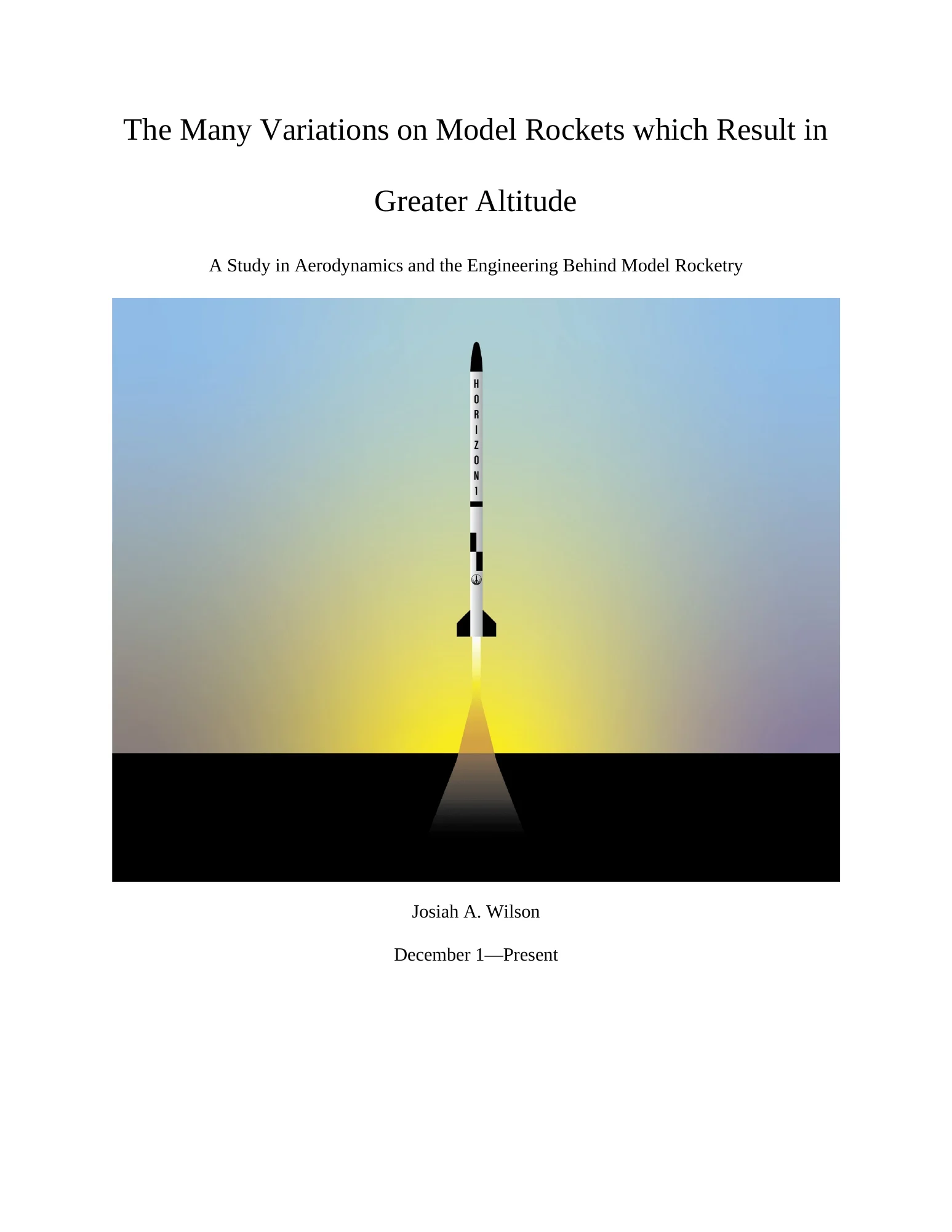
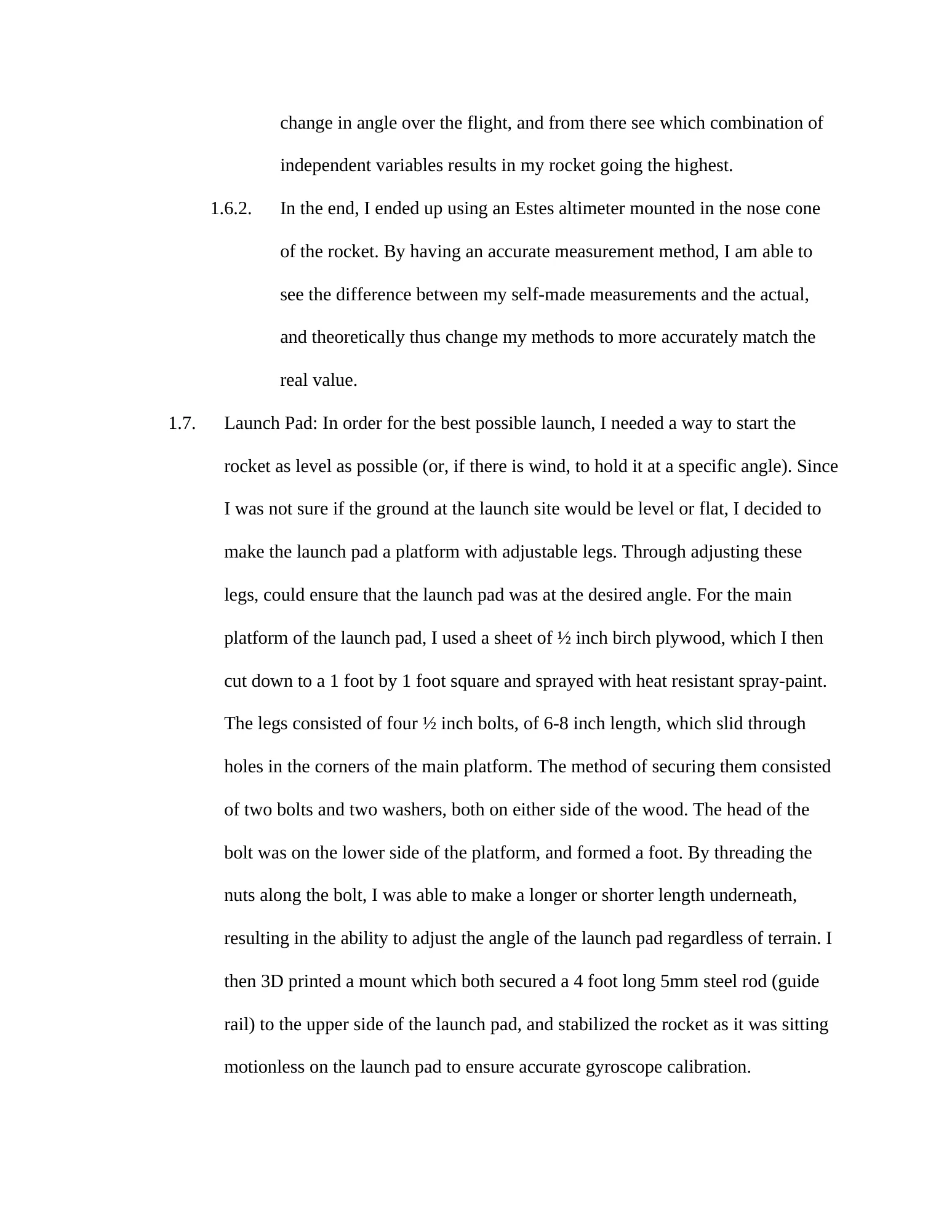
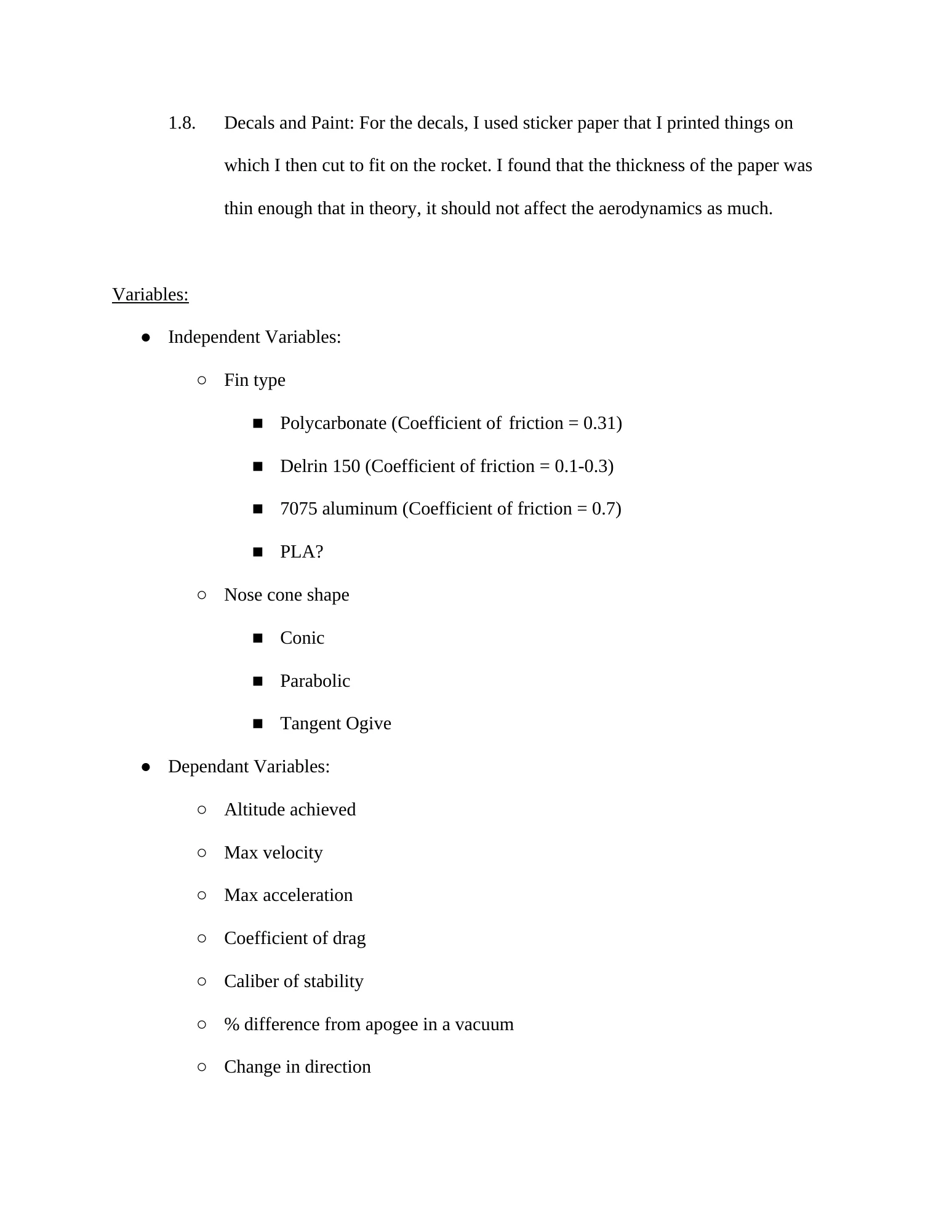
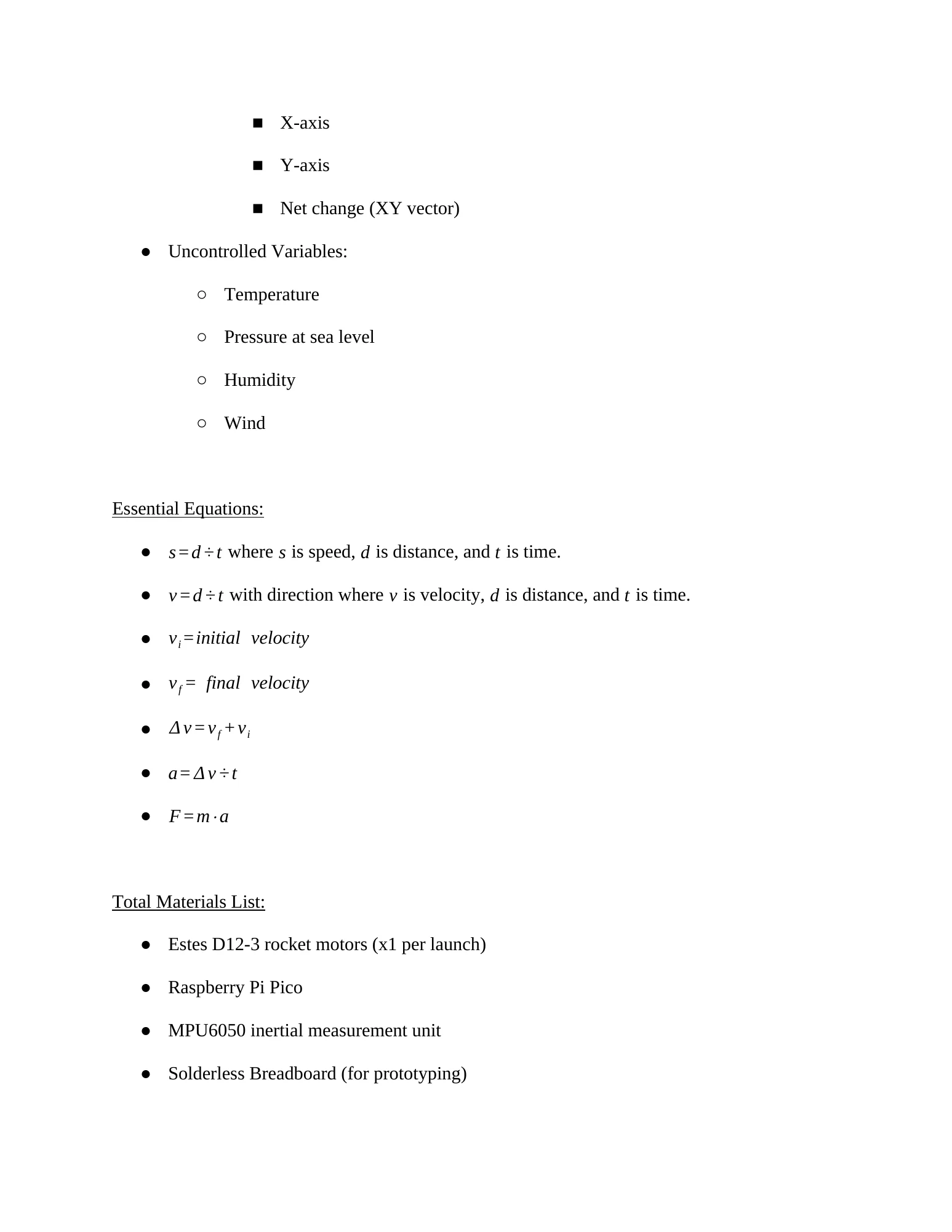
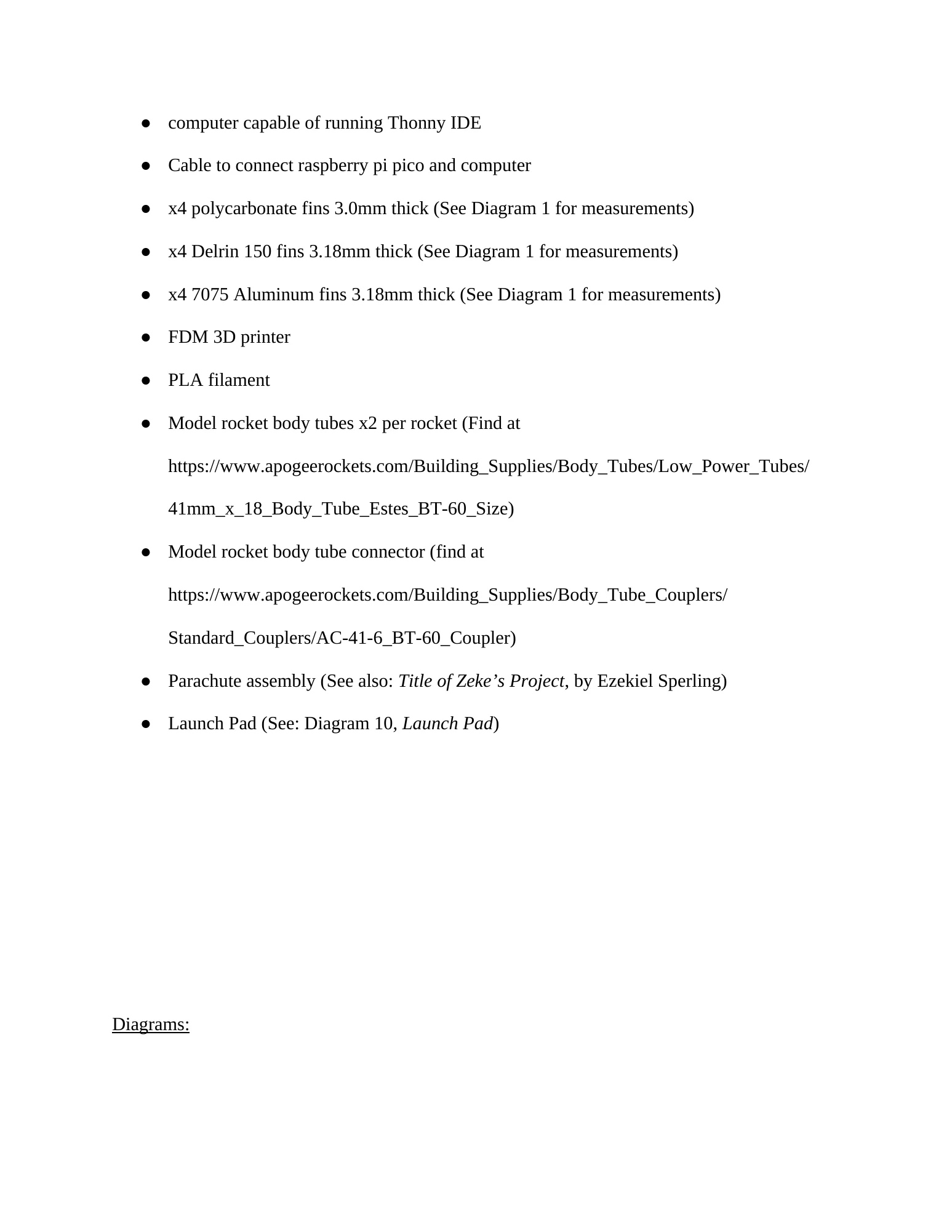
Horizon grew out of the decision to learn model rocketry by building more of the system than a complete kit would require. Airframes, printed parts, launch hardware, simulations, sensors, and data analysis became one long engineering thread rather than separate assignments.
The project takes the form of a high-school engineering thread combining a modular model rocket, custom launch pad, 3D-printed structures, fin and nose-cone experiments, OpenRocket simulations, sensor trials, MicroPython logging, and recorded flight data. Its purpose is to learn aerospace engineering by building and measuring more of the system instead of relying on a complete kit.
The question behind Horizon Flight Computer
That choice created useful friction. Aerodynamic intuitions had to survive simulation; sensors had to survive vibration and calibration; and attractive graphs had to be checked against uncertain logs and physical events. Failure was not incidental to the project—it was one of its main sources of information. The immediate beneficiaries were my teammate and me as student engineers. A public case study can help other students see the value of documenting failed sensors and contradictory results.
How Horizon Flight Computer took shape
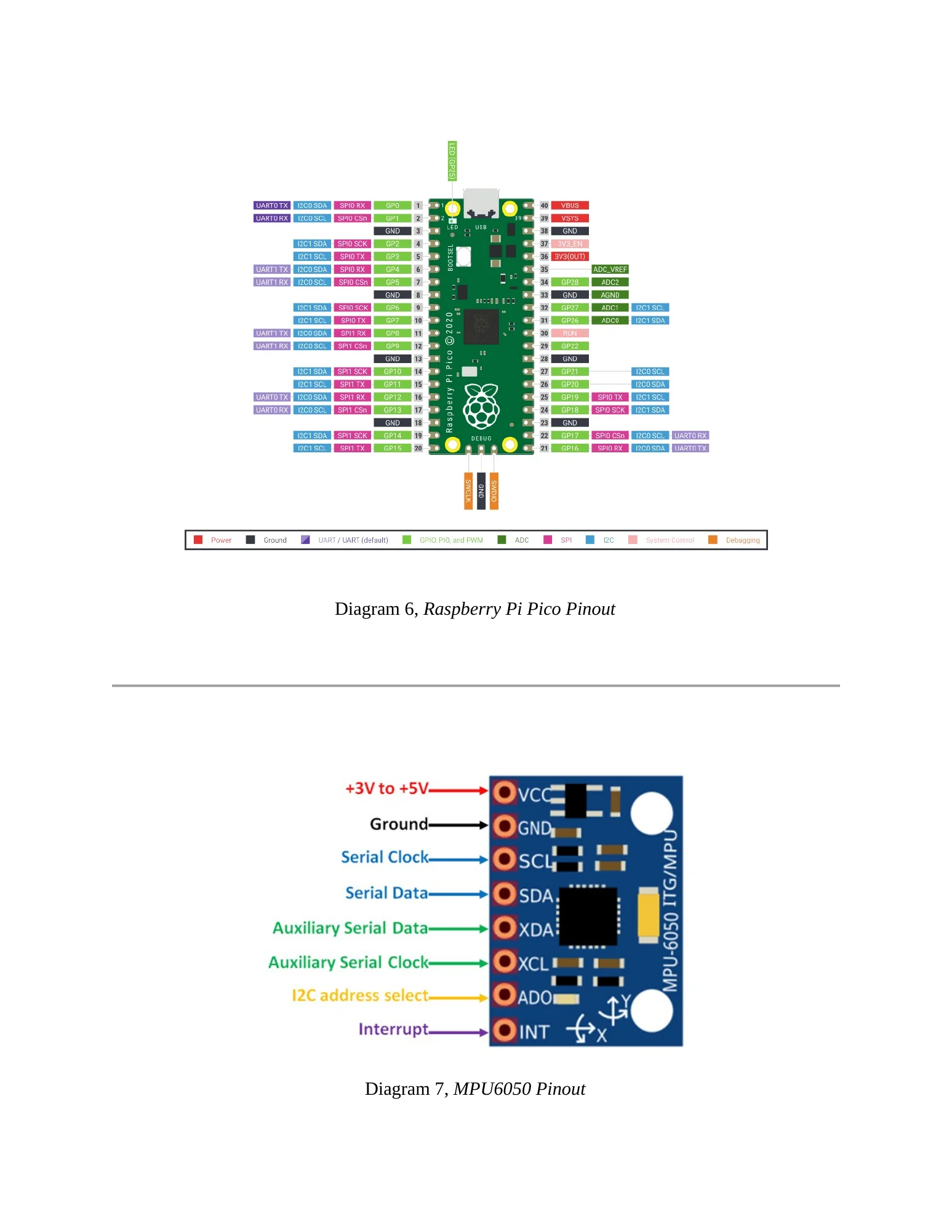
The work combined OpenRocket modeling, modular mechanical design, MicroPython logging, Pico-class electronics, inertial and barometric sensors, spreadsheet analysis, and repeated physical iteration. Some paths worked, some instruments produced ambiguous records, and the BME280 route failed rather than disappearing from the history. My exact contribution versus my teammate’s still needs to be documented before the full public case study. Existing records show substantial work across research, design, electronics, programming, simulation, and analysis.
What the evidence supports
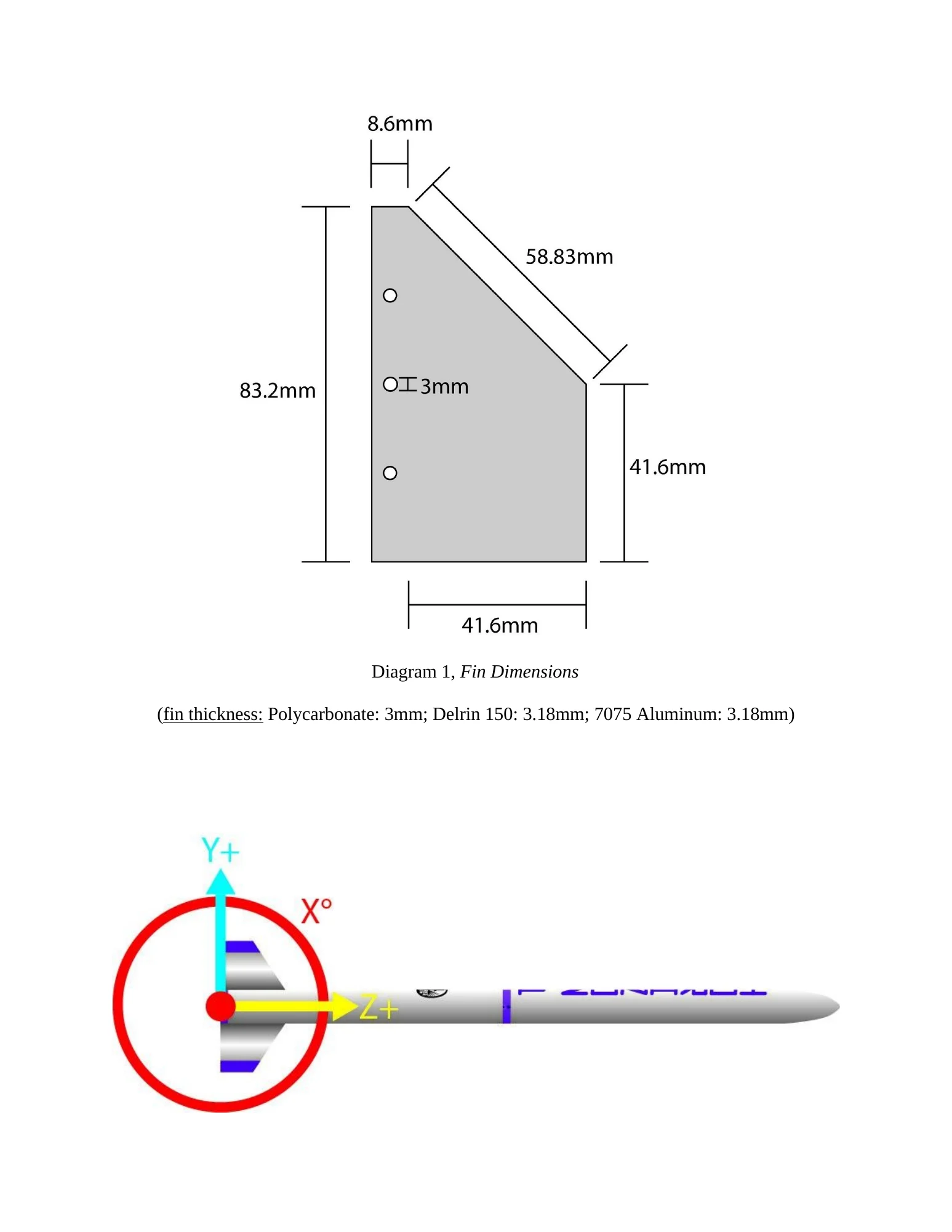
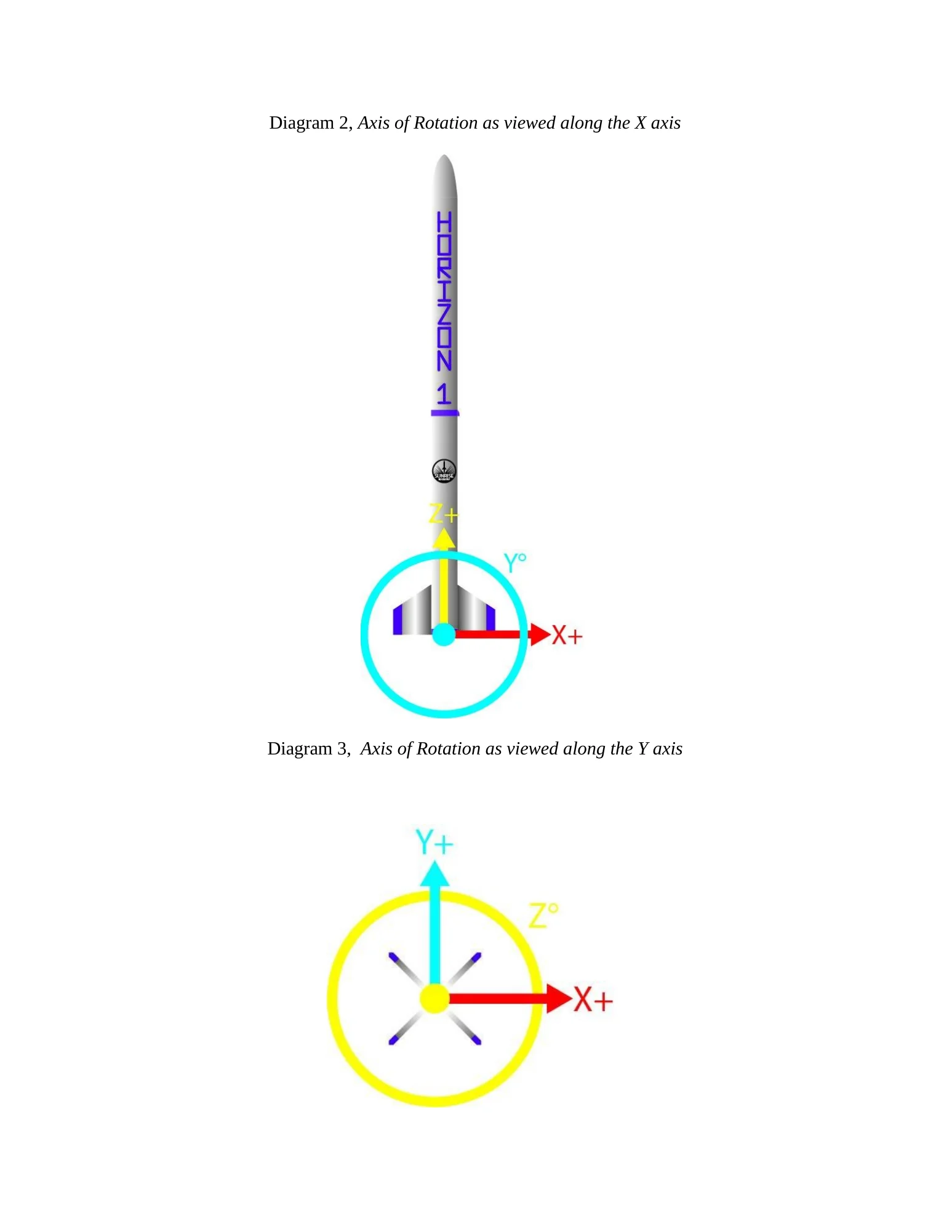
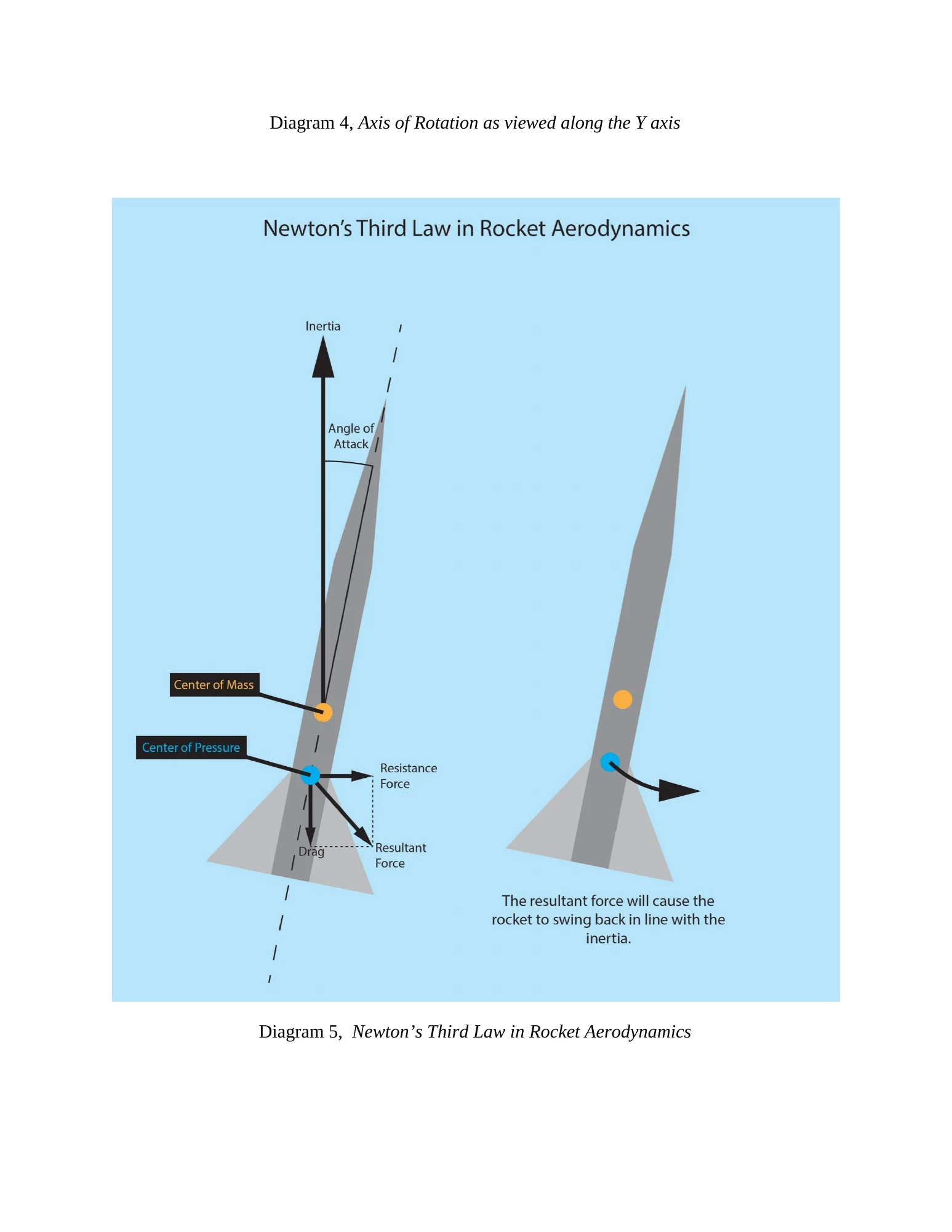
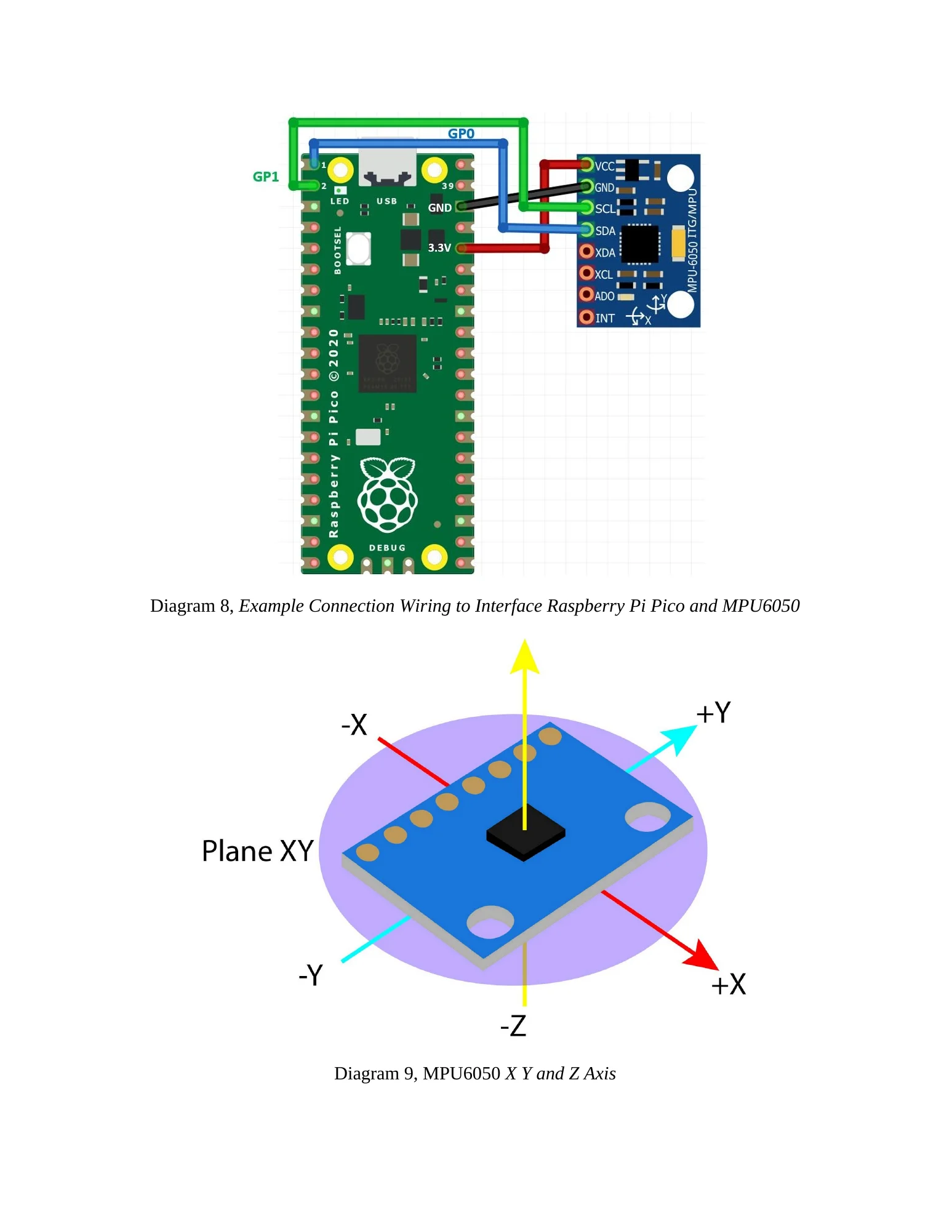
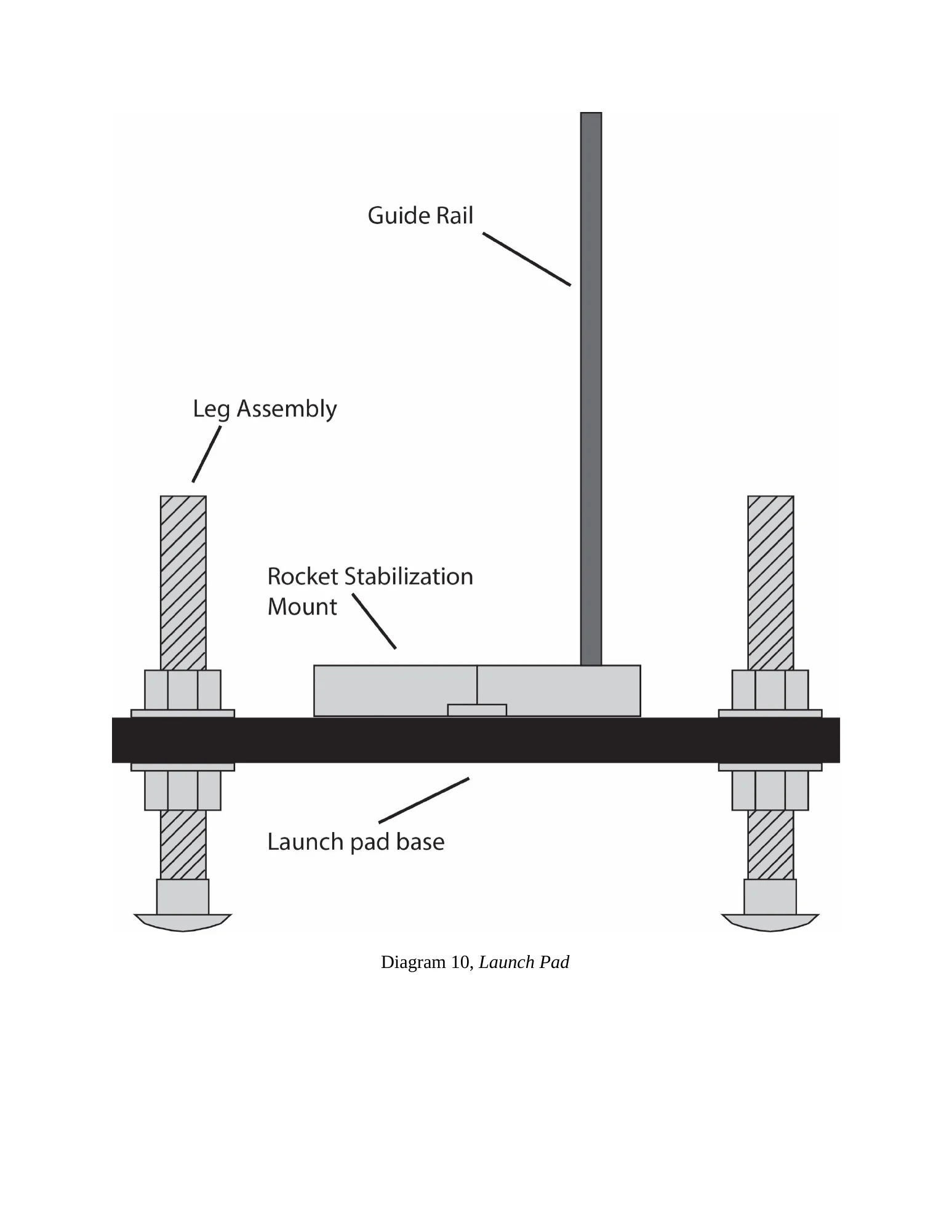
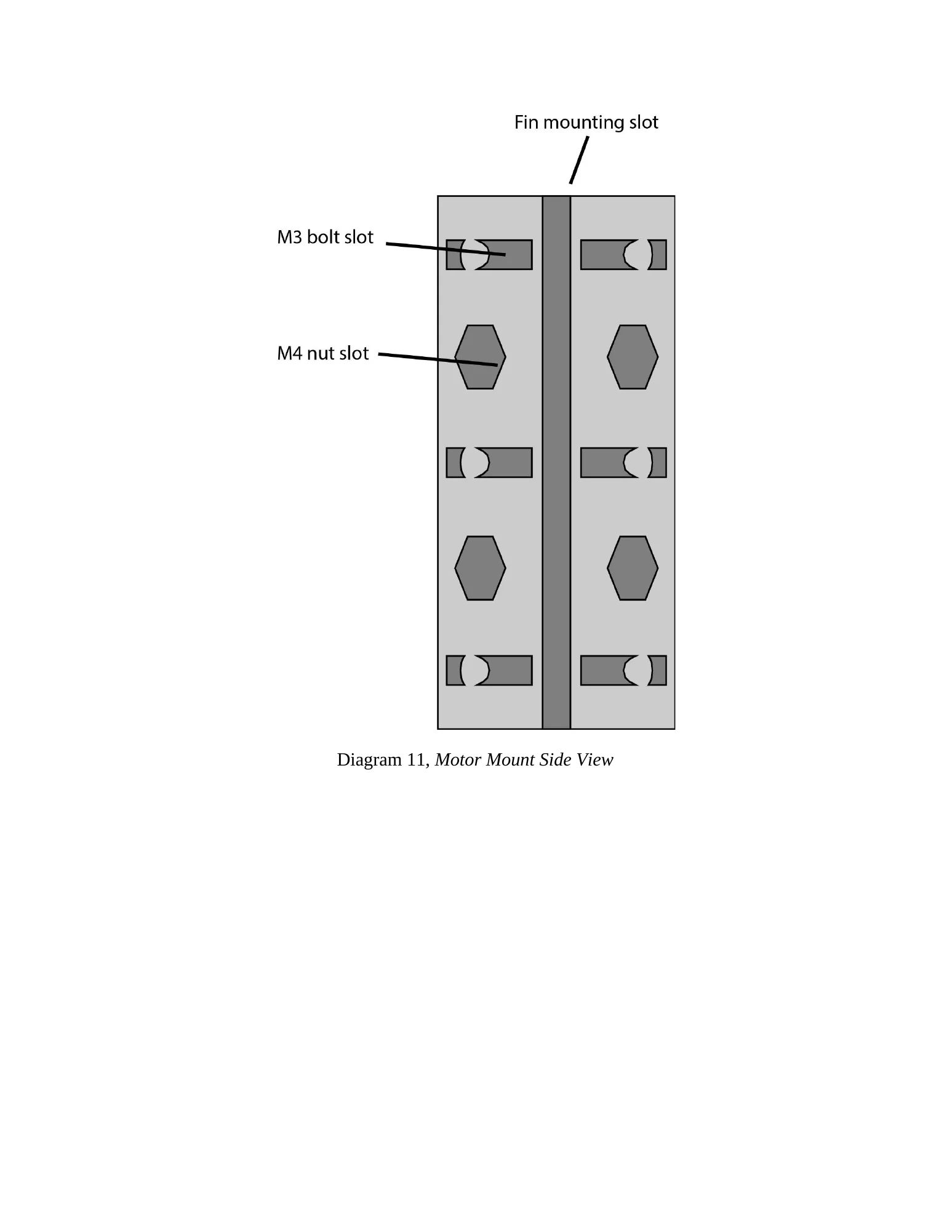
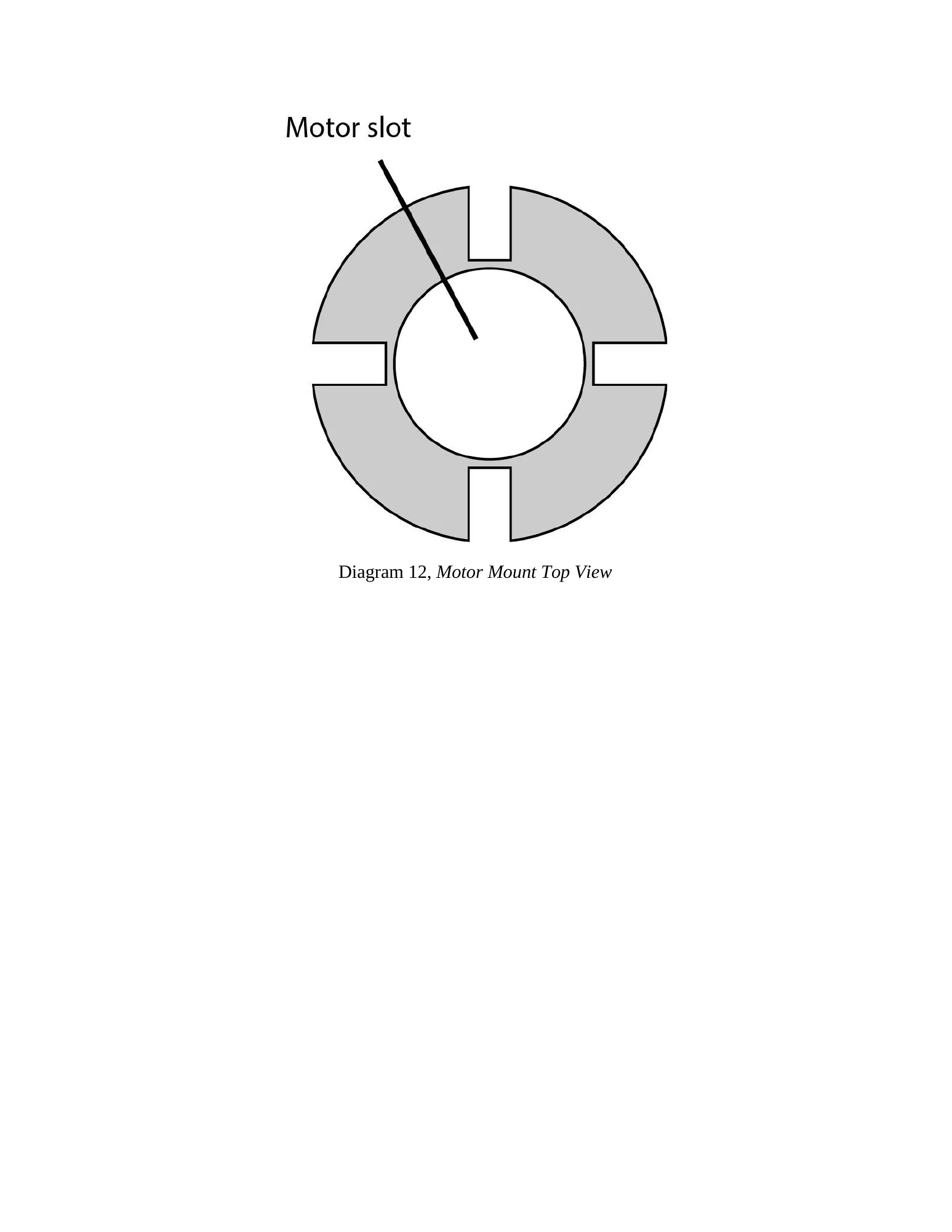
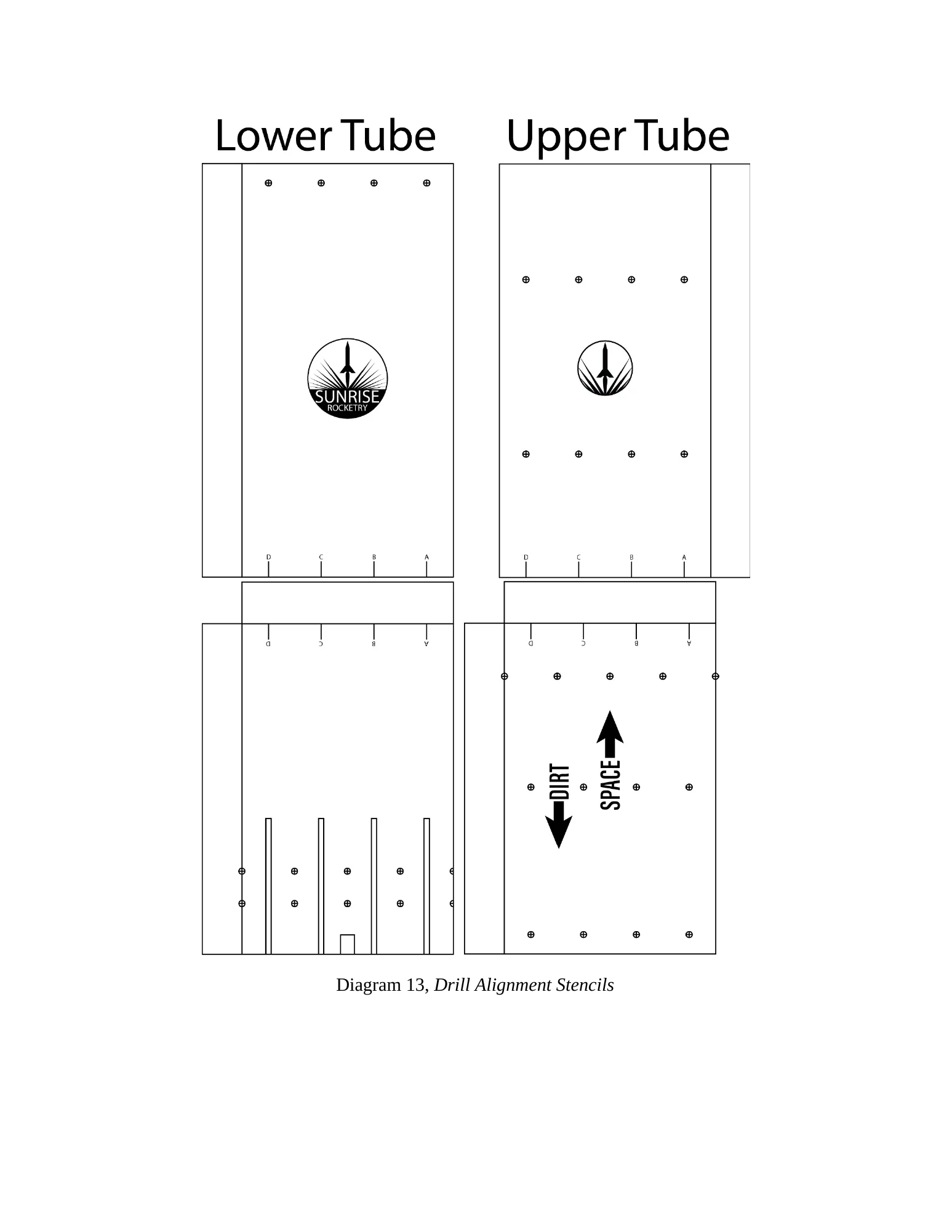
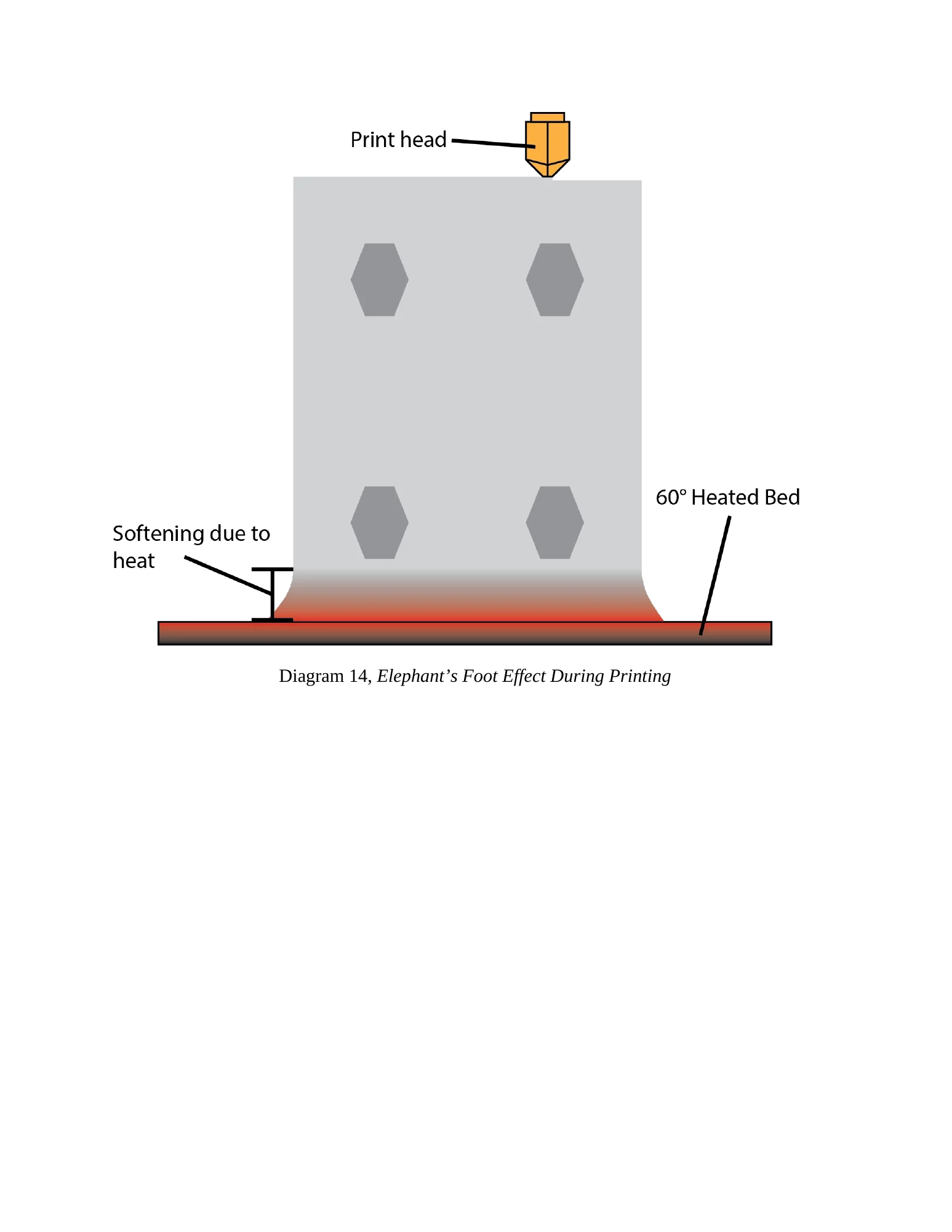
The published engineering report documents the airframe, hardware, electronics, simulations, material comparisons, and fourteen technical diagrams. The wider archive also includes build narratives, bills of materials, sensor code, flight spreadsheets, noisy logs, and altitude traces. The strongest version of the Horizon story is not a claim of polished aerospace hardware. It is a record of learning to negotiate between models, materials, electronics, and evidence, including the discipline to preserve contradictory results and unresolved provenance.
Some logs have uncertain provenance, the BME280 path failed, and several conclusions need real-world wind-tunnel or repeated flight testing. Image and teammate permissions still need review. The case study will become complete once teammate contributions are confirmed, logs are matched to physical tests, and approved photos and video are assembled.